History
The History of Chinese Food in Kolkata: A Legacy of Culture, Spice, and Migration
When we think of Kolkata’s iconic foods rolls, sweets, biryanis one beloved cuisine stands out for its unique flavor, history, and cultural fusion: Chinese food. But this isn’t your typical soy-sauce-and-dumpling tale. The story of Chinese food in Kolkata is a rich, aromatic legacy built on migration, community, adaptation, and the ever-evolving love affair between a city and its taste buds.
Welcome to the story of how dumplings met desi spice, how woks found their way into Bengali kitchens, and how an immigrant community helped shape the soul of a city’s cuisine.
The First Flame: Chinese Migration to Kolkata
The roots of Chinese cuisine in Kolkata stretch back to the 18th century, when Chinese traders, sailors, and carpenters began settling in the city particularly during the British colonial era. Many came from the Hakka community of southern China, skilled in leatherwork, carpentry, and tea cultivation.
By the early 1900s, a thriving Chinese community had established itself in the city, particularly in the Tangra and Tiretta Bazaar neighborhoods, creating what is still known today as India’s only Chinatown.
With them, they brought recipes, cooking styles, and a deep culinary tradition that would slowly seep into Kolkata’s food scene one bowl of noodles at a time.
Chinatown and the Birth of Indo-Chinese Cuisine
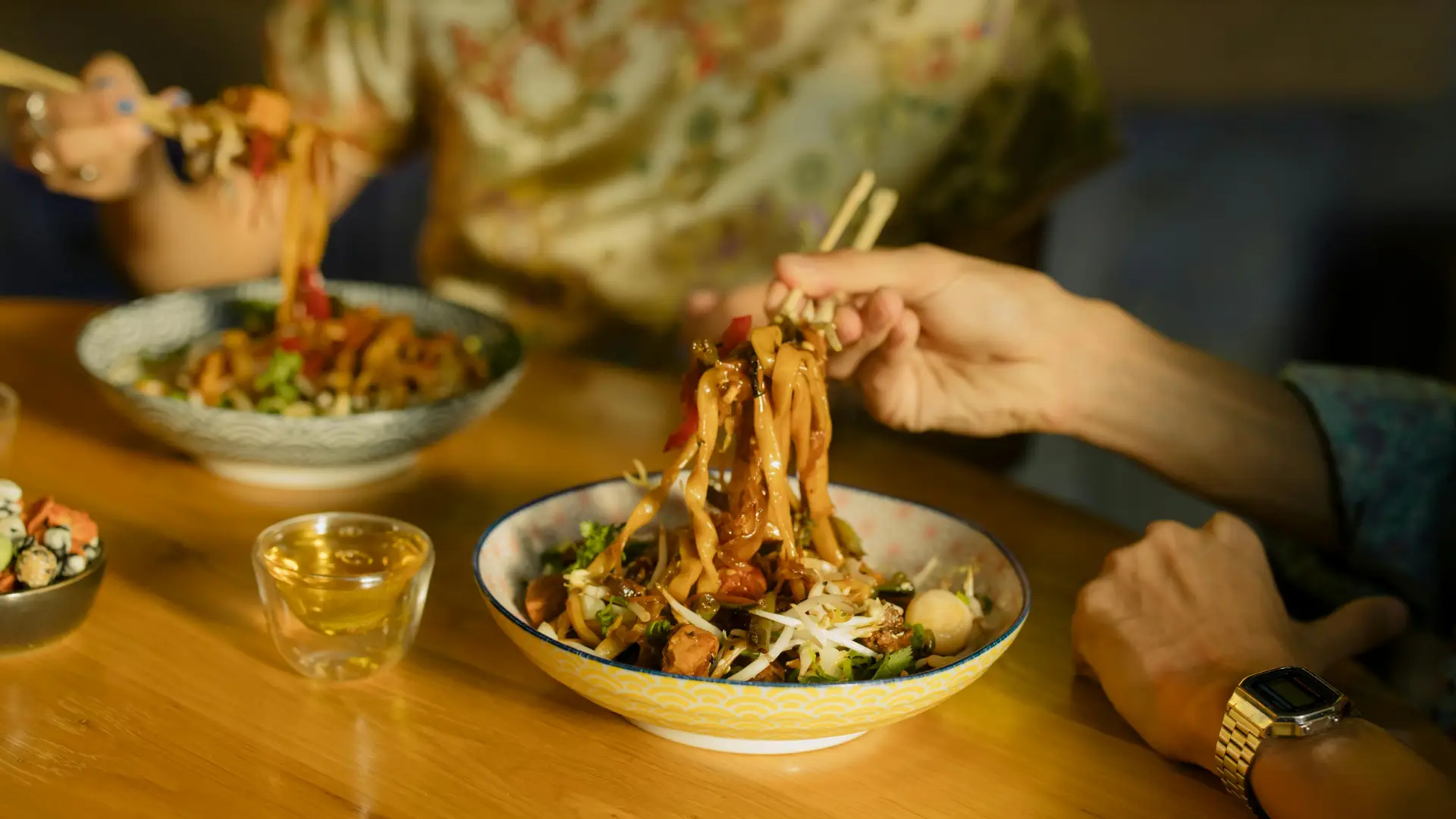
Tangra, also known as “New Chinatown,” quickly became the beating heart of Chinese life in Kolkata. Small eateries and home-run food stalls started serving traditional Chinese dishes adapted to Indian tastes. Hakka noodles, sweet corn soup, chili chicken, and Manchurian dishes most of which were invented right here became popular among locals.
These dishes were not authentic by Chinese standards and that was the magic. They were born in Kolkata, using Chinese cooking techniques but infused with Indian spices, garlic, ginger, green chilies, and soy-based sauces. Thus began the legend of Indo-Chinese cuisine, which would eventually become a national obsession across India.
The Golden Era: 1970s–1990s
By the 1970s, Chinese food had exploded in popularity across Kolkata. From elite clubs and restaurants in Park Street to tiny roadside shacks in Gariahat, everyone was wok-tossing something spicy and soy-splashed.
Families dined out on Sundays for crispy chili baby corn, Hakka noodles, and American chop suey. Chinese food had become more than just a novelty it was now comfort food for a generation.
The Chinese community also continued contributing to other industries tanneries, dentistry, and shoemaking but it was their culinary influence that left the most delicious legacy.
Trials, Migration, and Preservation
In the decades that followed, particularly during the Sino-Indian war of 1962, many members of the Chinese community faced hardships, mistrust, and even displacement. Some migrated to other countries, while others stayed and quietly rebuilt.
Despite challenges, the food legacy endured. Local Bengali chefs, trained in Chinese kitchens, began taking the flavors forward. Chinese eateries evolved, diversified, and spread into every corner of the city and later, the country.
Today’s Flavor: Tradition Meets Trend
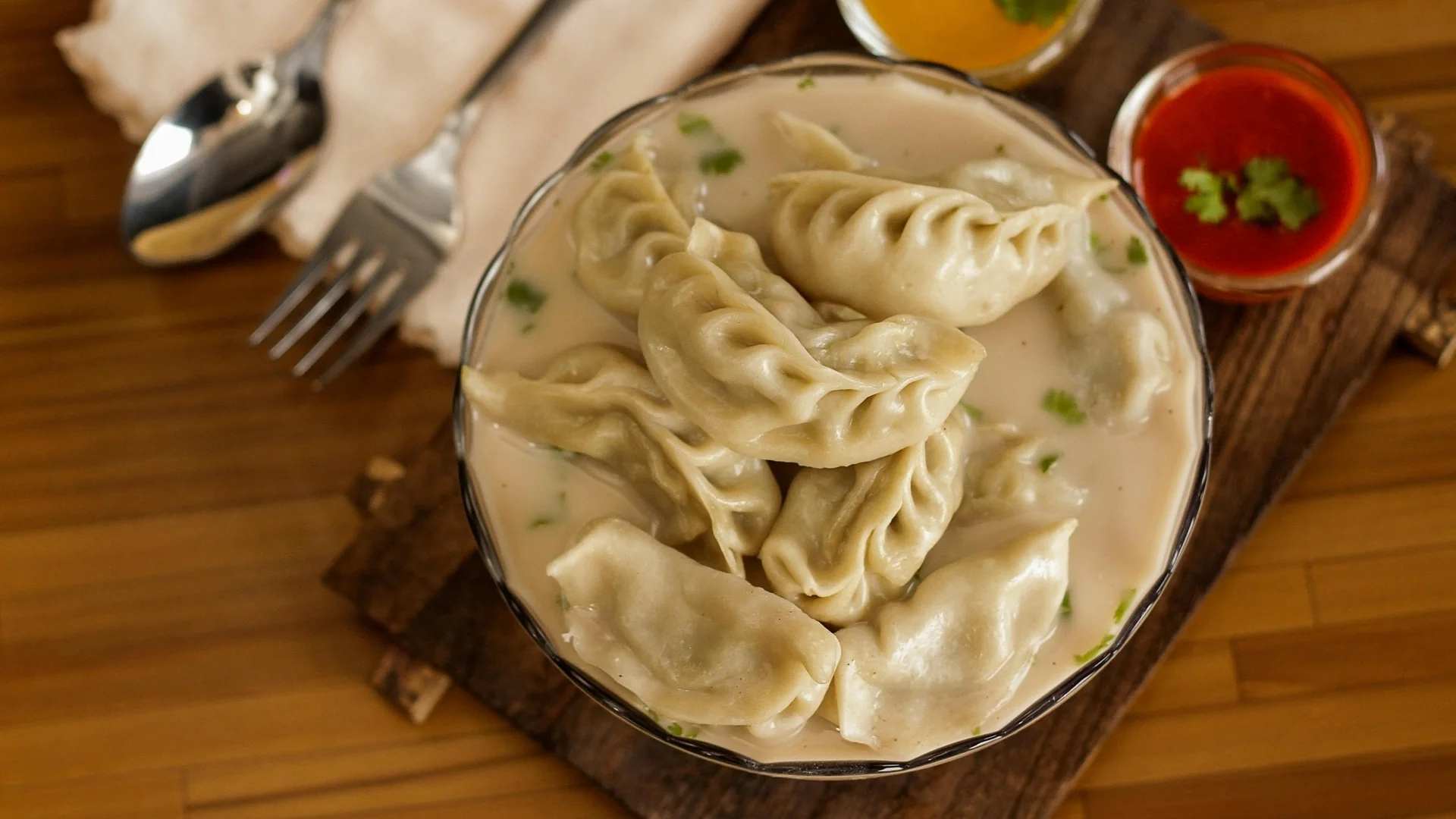
Fast forward to today, and Kolkata remains one of the best places in India to experience authentic Indo-Chinese food. Tangra still draws loyal fans and food lovers from all over the world. Meanwhile, new-age cafes and food trucks are reimagining the classics think bao buns stuffed with chili chicken or Schezwan momos served with fusion dips.
Modern Kolkata celebrates this cuisine with Chinese food festivals, fusion pop-ups, and a deep sense of respect for the community that introduced it. It’s not just about the food it’s about the heritage, the struggle, and the fusion of identities that make the city what it is.
More Than Just a Meal
The story of Chinese food in Kolkata isn’t just a culinary chapter it’s a narrative of migration, adaptation, and cultural exchange. It’s a reminder that food can build bridges between communities, blend borders, and become an integral part of a city’s identity.
So, the next time you slurp on a bowl of Hakka noodles or bite into a steaming momo on the streets of Kolkata, remember: you’re tasting more than flavor you’re tasting history.